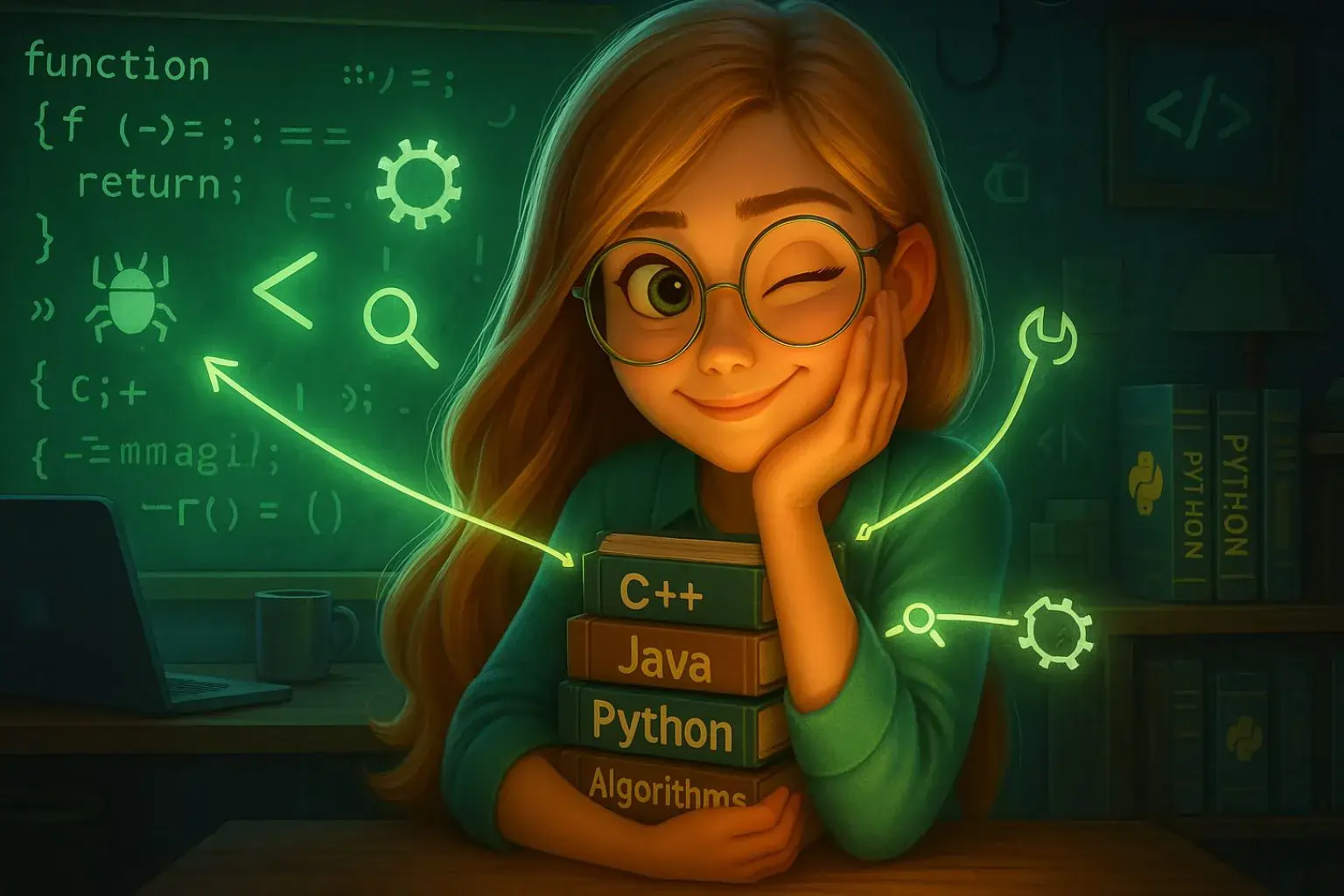
A love letter to Python often starts with the right book in hand where one that demystifies syntax, unlocks problem‑solving, and sparks that “aha!” moment when code finally clicks. Whether you’re stepping into programming for the first time or leveling up for data science, these seven books will be your trusted companions on the journey. Each title is chosen for clarity, depth, and real‑world applicability, with notes on why to choose, what you’ll learn, and how long it takes. Ready to read, code, and conquer? Let’s dive in!
1. Python Crash Course by Eric Matthes
About the Book:
Bright‑eyed and hands‑on, Python Crash Course is built around projects: a Space Invaders style game, data visualizations, and a simple web app. It’s the perfect starter kit, blending concept explanations with immediate practice.
Why Choose This Book:
Beginners often stall when theory drags on. This book keeps you engaged by jumping straight into coding. The exercises feel meaningful.
What You’ll Learn:
You’ll master Python basics (variables, loops, functions) before building three real projects. Along the way you’ll handle file IO, work with libraries like Matplotlib, and deploy a Flask web app.
Time Required:
Plan 4 to 6 weeks of part‑time study. Each chapter’s 1-2 hour exercises make steady progress easy.
In today’s security‑conscious world, pairing coding skills with protection matters. After you finish Crash Course, explore These Cybersecurity Secrets Every Campus Survivor Needs in 2025! to lock down your code and your data.
2. Automate the Boring Stuff with Python by Al Sweigart
About the Book:
If you ever catch yourself doing repetitive tasks such as renaming dozens of files, scraping websites, or updating spreadsheets so, this smart shows you how to automate them with Python.
Why Choose This Book:
Adulthood demands productivity hacks, and nothing feels more rewarding than watching a script do your work. Plus, the author’s conversational tone keeps you chuckling through the more complex bits.
What You’ll Learn:
Web scraping with BeautifulSoup, Excel and PDF manipulation, sending automated emails, and simple GUI automation with PyAutoGUI. Real‑world tasks become code exercises.
Time Required:
Commit 5-7 weeks, squeezing in 3-4 chapters a week. The payoff in saved time is immediate.
A reminder: every bit of data you automate could be sensitive. Keep best practices in mind by checking out What to Do If Your Data Is on the Dark Web (Step‑by‑Step Guide) even the smallest script can create security blind spots.
3. Head‑First Python by Paul Barry
About the Book:
Using the Head‑First series’ signature visual style, this book breaks down Python concepts with puzzles, cartoons, and mind‑bending exercises. It’s a refreshing departure from text‑heavy tomes.
Why Choose This Book:
If you’re the kind of learner who remembers a concept best after drawing it on a whiteboard, Head‑First’s multi‑sensory approach will stick.
What You’ll Learn:
Basic syntax and data structures, working with Django, data persistence, and real‑world tasks like web scraping and image processing. Plus, you’ll get your first taste of test‑driven development.
Time Required:
Expect to spend 6 to 8 weeks, with about five hours per chapter recommended. The playful format makes even tricky topics digestible.
Curious about career impact? Tackling projects from Head‑First Python sets the stage for mastering These Tech Skills That Guarantee High-Paying Jobs Before You Graduate!
4. Fluent Python by Luciano Ramalho
About the Book:
When you’ve got the basics down and hunger for Pythonic elegance, Fluent Python delivers. It’s all about writing idiomatic, efficient code that feels natural in Python’s ecosystem.
Why Choose This Book:
Many developers default to patterns from other languages. This book rewires your thinking, teaching you to leverage Python’s strength such as generators, coroutines, metaclasses, and more.
What You’ll Learn:
Advanced data models, decorators, context managers, concurrency with asyncio, and deeper dives into collections and functions as first‑class objects.
Time Required:
This is a marathon, not a sprint: budget 8-12 weeks, at several hours per week. It’s dense but immensely rewarding.
For data science pros, pairing these fluent techniques with a specialized guide makes a winning combo. Consider these titles next when you’re ready for more: Best free coding course that are even better than your college degree and dive deeper into Python’s data potential.







5. Python for Data Analysis by Wes McKinney
About the Book:
Penned by the creator of pandas, this title is the go‑to for cleaning, manipulating, and visualizing data in Python. It’s a must for anyone eyeing roles in data science or analytics.
Why Choose This Book:
Workflows in data science often get bogged down in messy CSVs and ill‑formatted Excel sheets. This guide shows you how to cut through the noise and extract meaningful insights.
What You’ll Learn:
The pandas API for dataframes, NumPy fundamentals, time series processing, and practical case studies like financial analysis and public health data exploration.
Time Required:
Aim for 6 to 8 weeks with 3 to 4 hours per chapter. The combination of theory and real datasets keeps you engaged.
After mastering these tools, you’ll be well‑equipped for data‑driven roles and you’ll know exactly which Python functions to secure if you ever wonder What to Do If Your Data Is on the Dark Web (Step‑by‑Step Guide) becomes relevant.
6. Effective Python by Brett Slatkin
About the Book:
Structured as 59 idioms, each “item” delivers a concise lesson on best practices, common pitfalls, and performance tips. It’s a swift roadmap to professional‑grade Python.
Why Choose This Book:
Tighten your code with actionable advice from writing clear function signatures to leveraging concurrency. The bite‑sized format means you can learn one tip during a coffee break.
What You’ll Learn:
Optimized loops, context managers, the secrets of Python’s GIL, design patterns in Python, and guidelines for writing maintainable, extensible code.
Time Required:
About 4-6 weeks if you tackle 2-3 items per day. It’s perfect for focused, incremental improvement.
Combine this with These are 5 Best Coding Bootcamps for Beginners if you need hands‑on mentorship or cohort‑based learning to cement these concepts in a live setting.
7. Introduction to Machine Learning with Python by Andreas C. Müller & Sarah Guido
About the Book:
Merging Python expertise with ML fundamentals, this guide demystifies algorithms from linear regression to ensemble methods, all using scikit‑learn.
Why Choose This Book:
Data science isn’t just about pandas; you need to train, evaluate, and tune models. This hands‑on book uses real datasets like digit recognition to anchor theory in practice.
What You’ll Learn:
Building pipelines, feature extraction, model evaluation metrics, and best practices for avoiding overfitting and ensuring reproducibility.
Time Required:
Set aside 8-10 weeks if you work through chapters and code examples at a leisurely pace. The rewards include being ready to tackle Kaggle competitions and production ML pipelines.
Landing a data‑centric role also calls for a foundation in Python; pair this text with best book for Python data science picks and keep in mind These Tech Skills That Guarantee High‑Paying Jobs Before You Graduate! as you chart your learning path.
Bringing It All Together
Choosing which best books to learn Python programming depends on your goals. If you crave immediate hands‑on projects, start with Python Crash Course or Automate the Boring Stuff. For a deeper understanding of idiomatic Python, move on to Fluent Python and Effective Python. Anyone aiming for data science mastery should build on that foundation with Python for Data Analysis and Introduction to Machine Learning with Python.
Along the way, you might even discover why These Cybersecurity Secrets Every Campus Survivor Needs in 2025! apply not only to system admins but to scriptwriters and data analysts alike. The path to Python mastery is paved with curiosity, practice, and the right resources. Pick one of these best Python books, carve out regular study sessions, and watch your skills transform.